The Signs That Matter Even Without a Diagnosis
Watching your child struggle can carry a weight of responsibility on you. You notice the look of disappointment or stress that follows them after school, or the way small things suddenly feel overwhelming.
And yet, sometimes there's never an obvious explanation, just a growing sense that your child isn't their normal self.
Many parents sit in this space for a long time. You trust your instincts, but you question yourself too. Is this just a phase? Are you overthinking it? Should things be easier by now? If this sounds familiar, you are far from alone.
Support does not have to start with a diagnosis. In fact, many families reach out simply because they want their child to feel calmer, more confident, and more at ease in their everyday world.
The Signs Parents Typically Notice First
Children don’t always say when something feels hard. Instead, their struggles tend to show up in behaviour, routines, or emotional reactions.
You might notice patterns that feel worrying but are difficult to name. Changes in how your child handles mistakes, friendships, school pressure, or big life events can be early signals that something underneath needs attention, even if there is no clear diagnosis yet.
Perfectionism and Anxiety Around Mistakes

Perfectionism can at times be seen as a positive trait. Your child wants to do things properly, to get it right, and to meet expectations. On the surface, that can look like motivation or high standards. But over time, it can make it hard for a child to accept that life and learning are not meant to be perfect.
When a child feels they have to get everything exactly right, the fear of making a mistake can stop them in their tracks. Even when their work is already good enough for a teacher or parent, the pressure they place on themselves can feel overwhelming. Nothing ever quite feels finished or safe to hand in.
This can lead to an avoidance cycle. Hours might be spent rewriting a sentence or refining an essay, while other things are pushed aside. Social time, play, and connection with friends often take a back seat, which can leave a child feeling isolated and even more stuck in the need to be perfect.
Difficulties in Making or Keeping Friends
Friendships can be one of the trickiest parts of childhood. Many children spend a lot of time thinking about where they fit in, who they belong with, and how they are seen by others at school.
Some children are quickly labelled as “the shy one”. There is nothing wrong with being quieter or more introverted, but first impressions can stick. A child who takes longer to warm up can easily be overlooked or misunderstood, even though they have just as much to offer in friendships.
Connection plays an important role in a child’s development. Through friendships, children learn social cues, practise empathy, and build confidence in who they are. When those connections are difficult to form or don’t feel secure, a child can begin to feel lonely or unsure of themselves.
Over time, the lack of strong peer relationships can leave a child feeling emotionally vulnerable. That sense of isolation can quietly feed anxiety, sometimes lingering well beyond the school years if it is not gently supported.
Impact of Life Events on Children’s Behaviour

Children, like adults, are shaped by the experiences around them, both positive and challenging. The difference is that children often do not yet have the language or emotional awareness to explain why they feel unsettled, anxious, or different. Instead, their feelings tend to show up through acting out or shutting down.
Major life events can change how a child understands safety, relationships, and the world around them. Two of the most common and impactful experiences are parental separation and exposure to trauma.
Parental Divorce and Separation
Divorce can be deeply confusing for children, even when it is handled calmly and thoughtfully. For a child, separation often challenges their sense of stability and predictability. Home may no longer feel the same, routines can change, and there may be uncertainty about where they belong or what comes next.
Children may internalise the separation in ways adults do not expect. Some worry that the divorce is their fault, while others fear further loss or abandonment.
This can show up as increased anxiety, clinginess, changes in mood, anger, or withdrawal. Younger children may regress, returning to behaviours they had previously outgrown, such as difficulty sleeping alone or needing extra reassurance.
These responses are not signs of misbehaviour but rather ways a child tries to regain a sense of safety and control when something important in their world has suddenly split.
Trauma and Frightening Events
Exposure to traumatic or frightening events, whether experienced directly or witnessed through news and conversation, can have a strong emotional tool on children.
Events such as accidents, violence, or highly publicised tragedies, such as the Bondi Beach shooting last December, can make the world suddenly feel unpredictable and unsafe.
Children may not fully understand what has happened, but they often feel the emotional weight of it. You might notice heightened fear, increased sensitivity, sleep disturbances, or strong reactions to situations that previously felt manageable. Some children become more watchful or withdrawn, while others may appear unsettled, irritable, or overly alert.
Trauma can also affect how children process everyday stress, making small challenges feel overwhelming. Their nervous system may stay on high alert as they try to protect themselves from perceived danger.
High Expectations and Pressure at School (Teens)
For many teenagers, particularly, school becomes a place of constant battlefield of pressure to navigate. Expectations increase as subjects become harder, assessments carry a bit more weight to them, and the future starts to feel closer and more defined.
Teens are often very aware of how they compare to their peers. Marks, exam results, and subject choices can feel like judgments rather than feedback. The fear of falling behind or limiting your own future options can sit heavily on their mind.
Some teens push themselves relentlessly into the perfectionist label, becoming anxious, exhausted, or highly self-critical without a break.
Others withdraw and shell up. They avoid schoolwork, lose motivation altogether because trying feels too risky or a waste of time. What looks like laziness or defiance is often a teen protecting themselves from the fear of not being good enough and leaving them with excuses, rather than failing.
Why These Struggles Often Go Unnoticed
One of the hardest parts of supporting a child who is struggling is how easily it can go unnoticed outside the home. Many children become very good at holding things together at school. They follow the rules, do their work, and appear to be coping, even when things feel much harder for them on the inside.
Because of this, a child can look “fine” to teachers and other adults. They may be polite, compliant, or academically capable, while parents are seeing a very different picture at home. Even signs of grief, perfectionism or social anxiety can be seen as a phase, rather than the beginning of something more long-term.
How Play-Based Anxiety Coaching can Calm these Traits
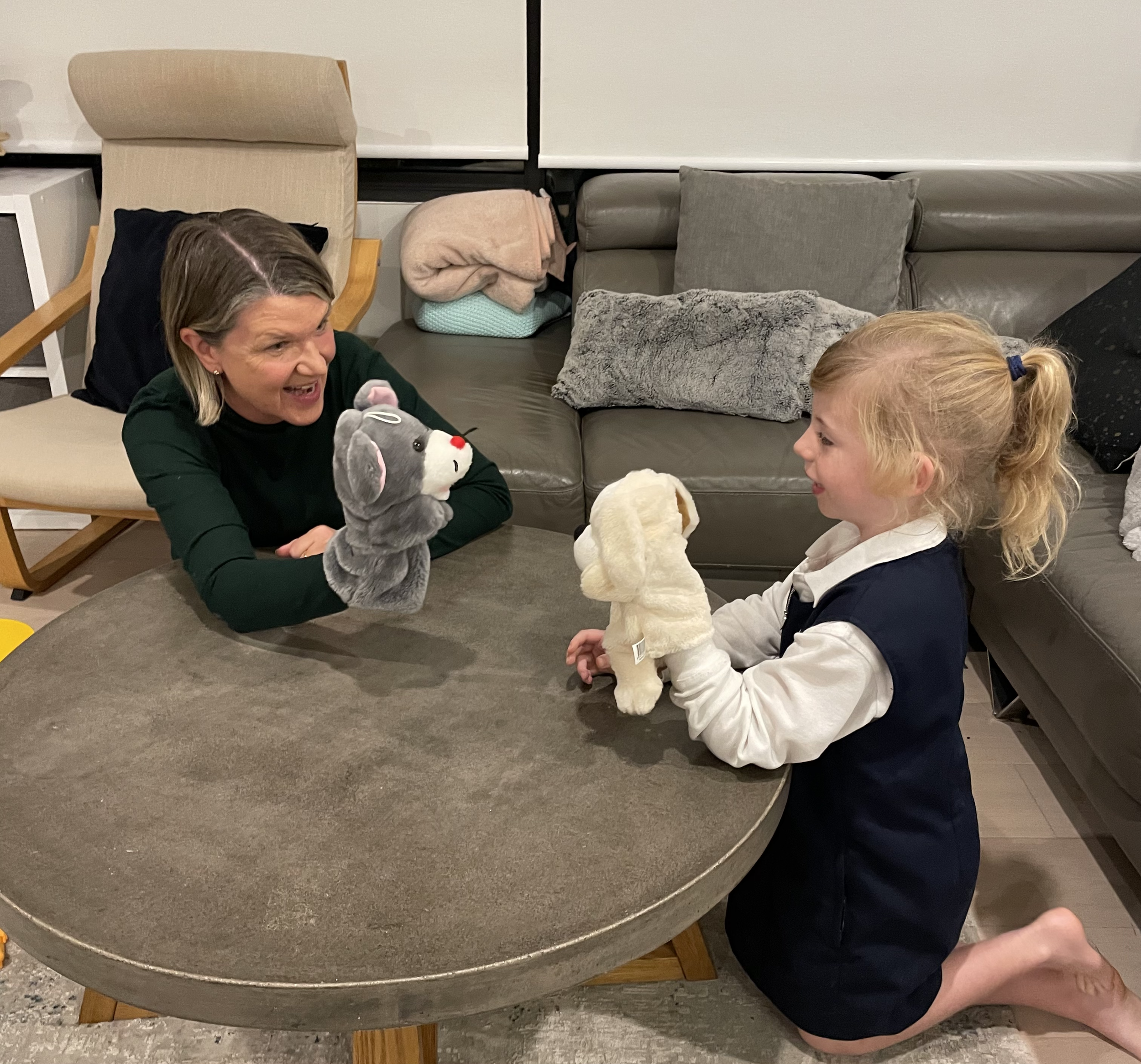
For many families, the goal isn’t a label or a big intervention. It’s simply wanting their child to feel calmer, more settled, and more like themselves again. This is where play-based anxiety coaching works very well.
For many children, talking directly about worries feels too hard. Play offers a different way in. Through games, movement, stories, and imagination, children can show how they are feeling without needing the right words, in a way that feels comfortable.
This approach works especially well for children who are perfectionistic, socially hesitant, or carrying stress after big life changes.
Rather than trying to fix behaviour, coaching focuses on what sits underneath it. Children learn to notice their feelings, calm their bodies, handle mistakes, and cope when things feel uncertain. Over time, anxiety should ease, and those patterns begin to soften, rather than taking over.
Parents are an important part of this work. Rather than being left on the sidelines, parents are supported to understand what their child is communicating and how to respond in ways that build connection and confidence at home.
This collaborative approach helps children feel safe to express their emotions and even talk it through, rather than feeling singled out.
When Your Child Needs a Little Extra Support
If you’ve found yourself nodding along while reading this, it’s likely because you’re already doing the most important thing. You’re paying attention.
Many parents reach out not because something is wrong, but because they can see their child working harder than they should. Perfectionism, withdrawal, big emotions, or quiet worry can be signs your child is carrying more than they can manage on their own.
You don’t need a label or a crisis to offer support, as sometimes, creating space for understanding and confidence is enough to make things feel lighter.
At Calmr Anxiety Coaching, I work with children and parents in a gentle, play-based way that helps kids feel safe, capable, and more at ease with themselves. If you’re unsure what your child needs, or simply want to talk things through, you’re welcome to reach out. Even a conversation can bring clarity and reassurance for both you and your child.