Understanding the Different Types of Anxiety in Children and Teens
Anxiety can feel isolating for children and teenagers, especially when they struggle to understand what they are feeling. It is more than occasional worry. Anxiety can affect behaviour, mood, and everyday life in different ways.
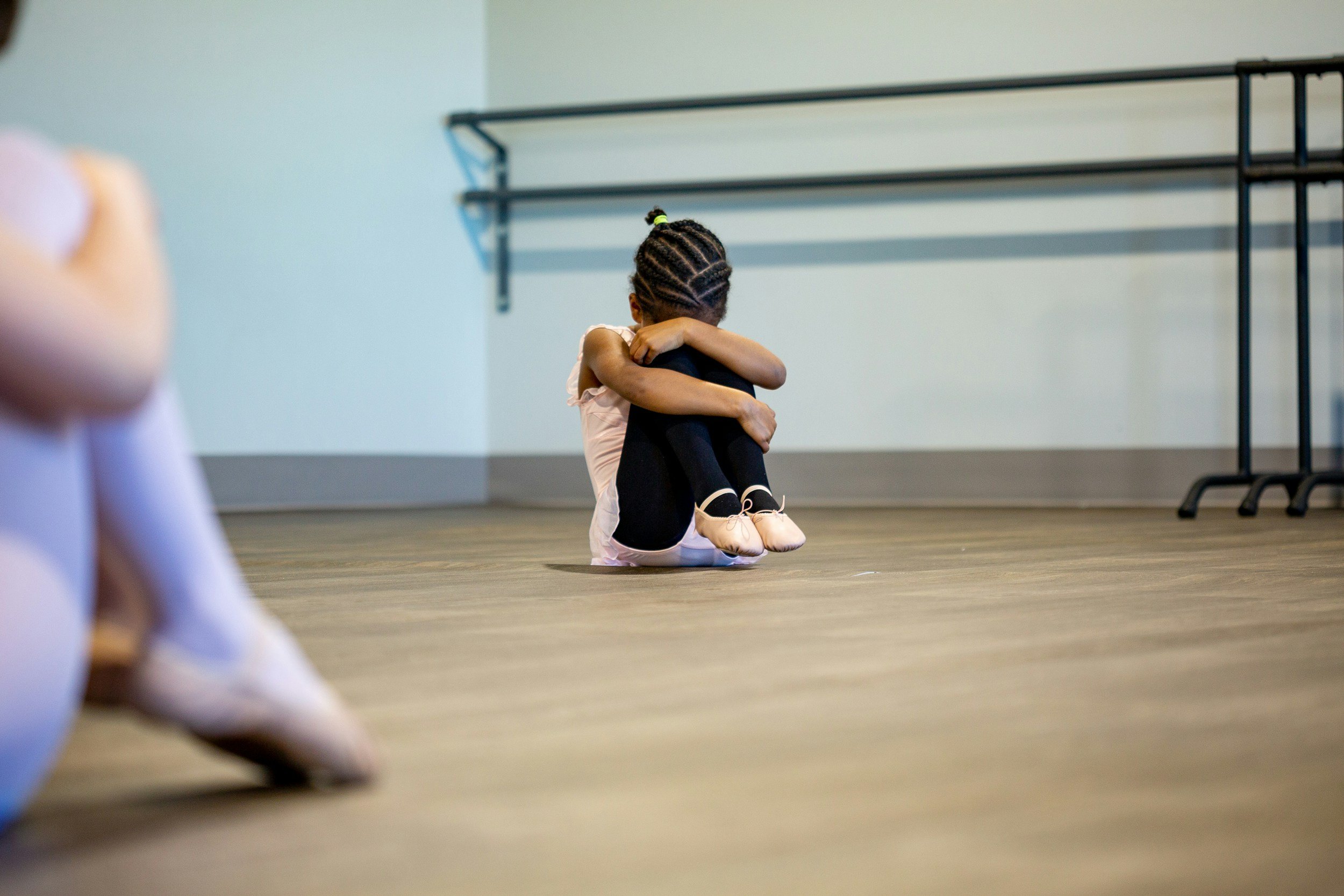
Though Anxiety isn't the same from child to child, as it can take many different shapes. What begins as distress around separation in younger children may later show up as worries about social judgment, performance, or fitting in during the teenage years.
By understanding the different types of anxiety children and teens experience, we can respond with support that fits their stage of development and emotional needs, rather than treating anxiety as one single problem.
Generalised Anxiety Disorder (GAD)

Generalised Anxiety Disorder, often called GAD, is not about one specific fear. It is more like a constant background worry that follows a child or teen through their day. Young people with this type of anxiety can feel stuck in a loop of “what if” thoughts, finding it hard to feel settled or reassured, even when things seem okay on the surface.
Children and teens may seek reassurance often, asking the same questions again and again because their nervous system does not feel calm yet. This anxiety can also show up in the body. Headaches, stomach aches, or feeling unwell without a clear medical reason are common ways anxiety tries to get attention.
Many of the worries linked to GAD are very familiar ones. Schoolwork, friendships, family health, or making mistakes. The difference is that these thoughts can feel overwhelming and hard to switch off.
A teenager might check their homework repeatedly, not because they want it to be perfect, but because the fear of getting something wrong feels unbearable. Another child might worry deeply about a family member feeling unwell and struggle to move on from that concern.
Social Anxiety Disorder
Social anxiety is exactly how it sounds, centred around a strong fear of being noticed, judged, or embarrassed in social situations.
For children and teens, this can make everyday moments like speaking in class, joining group activities, or starting conversations feel daunting rather than manageable. It often shows up as avoidance, quiet withdrawal, or physical discomfort such as nausea, sweating, or shortness of breath before social situations.
As children move into adolescence, these fears often become more noticeable. Greater self-awareness and sensitivity to peer opinions can make the pressure to fit in feel intense, with embarrassment and rejection feeling harder to shake.
Supporting a child or teen with social anxiety works best when support is gentle and gradual. Offering low-pressure chances to practise social interaction can help build confidence over time. This may include rehearsing a short response before an event or recognising the effort it takes to try. Progress comes from patience and reassurance that feels manageable for the child or teen.
Separation Anxiety Disorder
Feeling close to their caregivers is an important source of comfort and safety for many young children. When that sense of connection feels threatened, anxiety can show up in strong and sometimes surprising ways.
Separation anxiety involves a deep fear of being away from a parent or caregiver. It most usually appears in younger children and can make everyday moments like school drop-offs, independent play, or sleeping alone feel overwhelming. Children may become very distressed at separation and worry about their parent’s safety or about being lost.
Some separation anxiety is a normal part of early childhood. It becomes a concern when the fear is intense, long-lasting, or no longer fits a child’s age or stage of development. For example, an older child who regularly avoids school because they fear their parent will not return may be struggling with separation anxiety that is interfering with daily life.
Support works best when it is gentle and predictable. Gradually building tolerance to short separations, keeping routines consistent, and offering calm reassurance can help children feel safer as they learn to manage time apart.
Specific Phobias
Many children have fears, and most come and go with time. For some, though, a fear can feel much bigger and harder to manage.
Specific phobias involve strong fears linked to particular objects or situations, ranging from general topics like heights to more specific things like certain animals or situations. These fears can feel immediate and overwhelming, even when there is no real danger.
Children and teens often respond by avoiding the feared situation altogether. A child might refuse to enter a room if they believe a spider is nearby, or a teenager may avoid speaking in public due to their glossophobia. When exposure does happen, the body can react quickly, resulting in a racing heart, shortness of breath, or visible distress.
Support usually focuses on helping children face their fears gradually and safely, building confidence at a pace that feels manageable rather than forcing exposure all at once.
Panic Disorder and Attacks
Moments of intense fear can arrive suddenly and without warning for young minds. When this happens, it can feel confusing and frightening, especially the first time.
Panic disorder involves repeated panic attacks, which are sudden surges of fear paired with strong physical sensations. These episodes can occur without a clear trigger, leaving a child or teen feeling overwhelmed and out of control. During a panic attack, the body may react with intense heart racing (similar to specific phobias), dizziness, shaking, or a sense that something terrible is about to happen.
After experiencing a panic attack, many children and teens begin to worry about having another one. This fear typically results in avoiding places or situations where an attack has happened before, even when those places are actually completely safe.
It can help to know that while panic attacks feel intense and alarming, they are not dangerous. They are a sign that the body’s alarm system is working too hard. With gentle reassurance, calming strategies, and the right support, children and teens can learn to feel more in control when these happen again.
Selective Mutism
Some children want to speak, but finding the right word just doesn't feel right. This usually ends up confusing both the child and the adults around them.
Selective mutism is when a child or teen is unable to speak in certain settings, such as at school or in unfamiliar places, even though they can speak freely at home or with people they feel safe with. It is not about refusing to speak. Many children with selective mutism feel frozen in these moments, as though their voice is temporarily unavailable, even if they know what to say.
A patient and pressure-free environment needs to be upheld in order to maintain support. Allowing children to communicate in other ways at first, such as through gestures or writing, can help reduce anxiety.
Over time, gradual opportunities to use their voice in low-pressure settings can help build confidence and a sense of safety, one small step at a time.
Agoraphobia
Sometimes anxiety does not stay contained to thoughts or feelings. It can begin to shape where a child or teen feels able to go.
Agoraphobia is often misunderstood as a fear of open spaces, but it is really about fear of being in places where leaving might feel hard or help might not feel close if anxiety appears.
For children and teens, this can make everyday situations like catching public transport, attending school assemblies, visiting busy places, or leaving home feel overwhelming. Over time, they may begin to rely more heavily on caregivers to feel safe, which can limit their sense of independence.
Agoraphobia often develops after panic attacks. When a young person has experienced intense fear in a public setting, their body may start to associate similar places with danger. Activities that once felt manageable can begin to feel unsafe, leading to avoidance that affects school attendance, friendships, and daily routines.
Support works best when it is collaborative and paced. Walking alongside a child or teen as they take small, manageable steps back into these situations helps rebuild trust in their body and surroundings. With patience, reassurance, and shared problem-solving, young people can begin to feel more confident moving through the world again.
Obsessive-Compulsive Disorder (OCD)
Sometimes anxiety does not just bring fear. It brings a strong urge to do something to make the fear settle.
Obsessive-Compulsive Disorder, often called OCD, involves distressing thoughts that appear unexpectedly and refuse to let go. These thoughts might focus on things like germs, safety, or a need for things to feel exactly right. To cope with the discomfort these thoughts create, a child or teen may repeat certain actions, such as washing their hands, checking doors, counting, or asking for reassurance, hoping the anxiety will ease.
Usually developed between 8 and 12, the patterns can slowly take over parts of daily life. Simple routines may take much longer than expected, school mornings can become stressful, and family activities may be interrupted by the need to repeat or recheck things. It is important to understand that these responses are not deliberate or defiant but are moved by anxiety and a nervous system trying to regain a sense of safety.
With patience and the right support, children and teens can learn to notice when anxiety is pulling them into these cycles. Over time, they can practise responding differently to uncomfortable thoughts and reduce the need to act on them, building confidence and a greater sense of control in everyday life.
When to Seek Extra Support
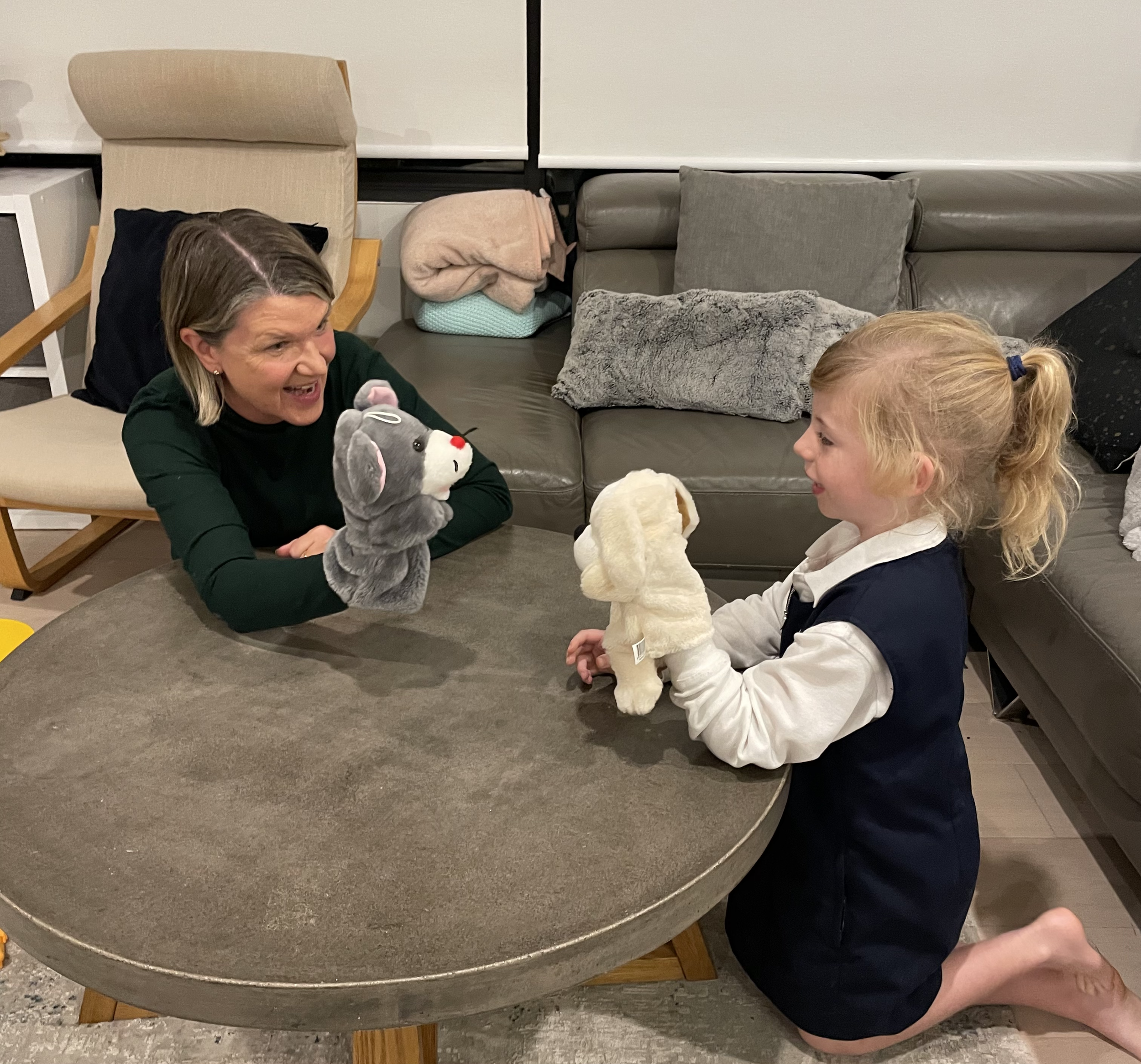
Sometimes, support at home is not quite enough, and that is okay. When anxiety begins to interfere with daily life, such as school attendance, sleep, or social connection, extra support can help.
Working with a professional who understands the capability of anxiety, can give children and teens new ways to understand and manage anxiety in a setting that feels safe.
For younger children, especially, play-based exercises can make a real difference. Using play allows children to explore feelings, practise coping skills, and build confidence without needing to explain everything in words. Anxiety can be worked with gently, at the child’s pace, through stories, games, and creative activities that feel natural rather than confronting.
For teens, having space to talk openly, learn how anxiety affects the brain, and develop practical tools can help them feel more in control and less alone.
Seeking support is not a sign that something has gone wrong. It is a step toward helping a child feel secure and understood, as they learn to navigate anxiety in their own way.
If you feel your child or teen could benefit from extra support, our calm, collaborative anxiety coaching is tailored to their age and needs. With a background in counselling and play-based approaches for younger children, and flexible online support for teens, Julie works alongside families to help young people feel safer and more capable of dealing with their emotions.
You are welcome to get in touch to ask questions or explore whether anxiety coaching feels like the right next step for your child or teen.